Why children learn better through play
Research is clear: play is not just entertainment — it is the most natural way a child's brain learns.
14 May 2026
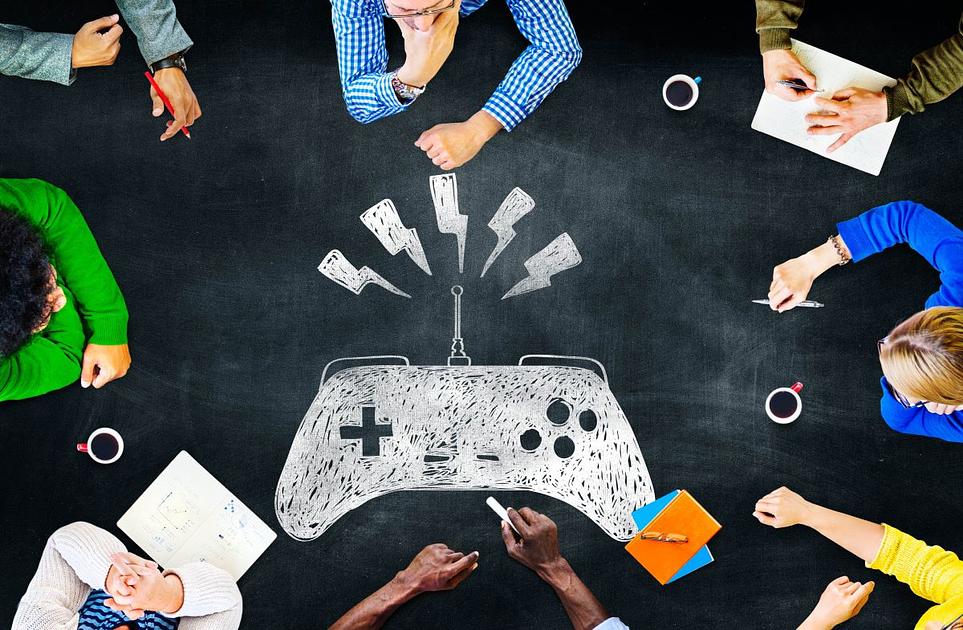
Play as a learning tool
Many parents wonder whether the time their child spends on an educational game is truly worth it. The question is fair — especially when a game looks more like fun than study. But the answer is clear: yes, it is worth it. And science backs it up.
A child's brain is wired to learn through experiences that include:
- Repetition without boredom — the child repeats actions over and over without even noticing
- Immediate feedback (win / lose) — the brain learns from outcomes in real time
- Emotional engagement — the child cares about the result, so they process it more deeply
Educational games deliver exactly these three elements. That is why a child might remember precisely which is the fastest animal in the world — because they learned it through a quiz, not from a textbook.
What the research says
According to the American Academy of Pediatrics, free and structured play contributes to the development of:
- Cognitive skills: memory, focus, problem-solving
- Social skills: cooperation, taking turns, empathy
- Language skills: vocabulary, comprehension, storytelling
Researchers at MIT and Harvard also point out that what makes a game truly effective is not points or rewards — it is authentic challenge. Children who play in an environment where they must think, experiment, and discover the solution on their own develop deeper understanding — and greater confidence.
Research also shows that children who play structured games with clear rules develop better self-regulation — they learn to manage their reactions, wait their turn, and handle failure with composure. These are skills rarely taught in a classroom, but consistently built through play.
How you can help as a parent
You don't need to sit next to your child and guide them through every step. In fact, the opposite tends to work better: let them explore. Let them fail and try again.
What does make a difference is what you ask after the game. A simple question like "what did you figure out that you didn't know before?" or "how did you manage that?" helps children process what they have learned — and helps you understand what kept them engaged.
There are also a few things worth checking before choosing a game:
- Does it have a clear ending? Games with a defined beginning and end help children learn to complete a task — instead of scrolling endlessly.
- Does it give positive feedback even on failure? "Try again!" is very different from "You lost."
- Are there ads or in-app purchase prompts? These break focus, create anxiety, and build unhealthy digital habits from an early age.
Games in Greek: why it matters
A child learns best in their mother tongue. Reading comprehension, spelling, vocabulary — all develop more naturally when the content is in Greek. And yet, the vast majority of educational apps for children are in English.
Nafoo was built with one simple goal: to give Greek-speaking children games that speak their language. Quizzes, word puzzles, maths, and more — all in Greek, no ads, no sign-up, no cost.
Try it today — it's free.
Discover Nafoo's free educational games.
Play now →